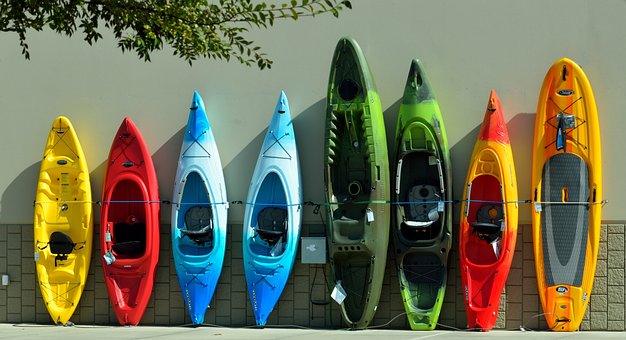
kayak fishing

Kayaking is a popular water sport that involves paddling a small, narrow boat called a kayak. Kayaks are versatile boats that can be used for many different types of water activities, such as fishing, touring, and whitewater rafting. This article will examine various types of kayaks, their characteristics, and the reasons why they are excellent vessels for a wide range of aquatic activities.
Kayak fishing is a specific type of kayaking that has become increasingly popular in recent years. Anglers have discovered that kayaks provide a unique and exciting way to fish, offering access to remote fishing locations that are often difficult to reach by boat or on foot. Kayaks are also much quieter than motorized boats, making them ideal for catching wary fish that are easily spooked by noise.
One of the biggest advantages of kayak fishing is the ability to fish in shallow water. Kayaks can easily navigate through shallow creeks, streams, and marshes where other boats can’t go. This allows anglers to target species such as redfish, trout, and flounder that are often found in these types of environments.
Kayak fishing also offers a great workout. Paddling a kayak works your arms, shoulders, and core muscles, providing an excellent full-body workout. And because kayaks are lightweight and easy to transport, you can take them to different bodies of water and explore new fishing spots.
When choosing a kayak for fishing, there are several factors to consider. Sit-on-top kayaks are popular for fishing because they are stable and provide easy access to gear. They also allow you to sit up higher, giving you a better vantage point for spotting fish. Kayaks with pedal propulsion systems are becoming increasingly popular because they allow you to use your legs for propulsion instead of just your arms.
Overall, kayak fishing is a fun and exciting way to experience the outdoors and catch fish. Whether you’re a seasoned angler or just starting out, kayaks offer a unique and enjoyable way to fish that you won’t find with any other watercraft.
What is a Kayak?
A kayak is a small, narrow boat that is designed for use on lakes, rivers, and other bodies of water. Unlike other types of boats, kayaks sit low in the water and are propelled by a double-bladed paddle. Kayaks are typically made from lightweight materials such as plastic, fiberglass, or carbon fiber, which makes them easy to transport and maneuver.
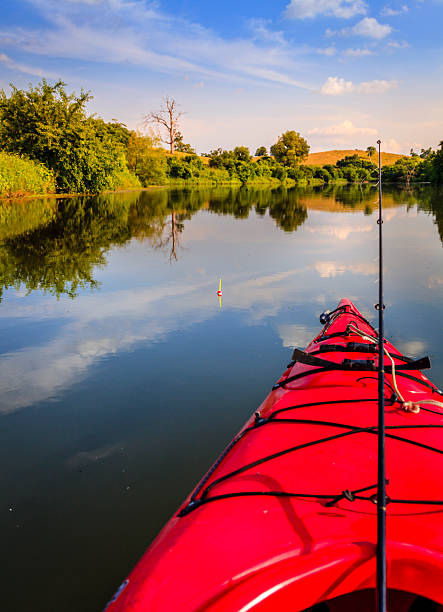
Kayaks were originally developed by indigenous peoples in the Arctic regions for hunting and transportation. Today, kayaks are used for a variety of recreational and competitive activities. Kayaks are available in a diverse array of shapes and sizes, with each variation intended for a particular use.
Recreational kayaks are designed for casual paddling on calm waters such as lakes or slow-moving rivers. Typically, they have greater width and stability in comparison to alternative kayak models, making them a good choice for beginners or those who just want to relax and enjoy the scenery. Touring kayaks are characterized by being lengthier and slimmer than recreational kayaks, and are designed for longer trips on open water. They have a sleek design that allows them to move quickly through the water, making them ideal for exploring large bodies of water such as the ocean.
Whitewater kayaks are designed for navigating fast-moving, turbulent water such as rapids. They are shorter and more maneuverable than other types of kayaks, allowing paddlers to quickly navigate through rapids and other obstacles.
In addition to these types of kayaks, there are also specialized kayaks designed for fishing, racing, and even surfing. Regardless of your experience or personal preferences, there exists a suitable kayak that caters to your specific needs. With their lightweight design and versatility, kayaks offer a fun and exciting way to explore the great outdoors and experience the beauty of nature from a whole new perspective.
Types of Kayaks
There are many different types of kayaks, each designed for a specific purpose. Some of the most common types of kayaks include:
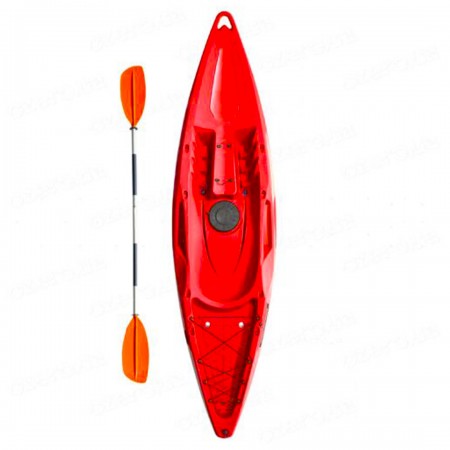
Recreational Kayaks: Recreational kayaks are designed for casual use on calm lakes and rivers. They tend to possess a greater width and shorter length than alternative kayak models, resulting in enhanced stability and maneuverability.
Recreational kayaks are a great choice for beginners or anyone who wants to enjoy a relaxing day on the water. They are usually made from durable, lightweight materials such as plastic or fiberglass, which makes them easy to transport and store.
One of the biggest advantages of recreational kayaks is their stability. Because they are wider and shorter than other types of kayaks, they are less likely to tip over or capsize. This makes them a great choice for families or anyone who wants to enjoy a leisurely paddle without worrying about their safety.
Recreational kayaks also have a comfortable, spacious cockpit that allows paddlers to sit with their legs straight out in front of them. As such, individuals who are tall or possess longer legs may find these kayaks to be a favorable option. Furthermore, the expanded cockpit facilitates easier entry and exit from the kayak, which is especially helpful for beginners who may not be as familiar with kayaking.
Another advantage of recreational kayaks is their affordability. They are generally less expensive than other types of kayaks, which makes them a great option for anyone who wants to get into kayaking without breaking the bank.
Overall, recreational kayaks are a versatile and accessible way to enjoy the outdoors and explore local waterways. Whether you’re looking for a relaxing day on the lake or a fun outing with friends and family, a recreational kayak is a great choice for anyone who wants to experience the joys of kayaking.
Touring Kayaks: The elongated and streamlined design of touring kayaks enables them to achieve greater speeds and efficiency in comparison to recreational kayaks. They are designed for use on longer trips and can be used on both calm and rough water.
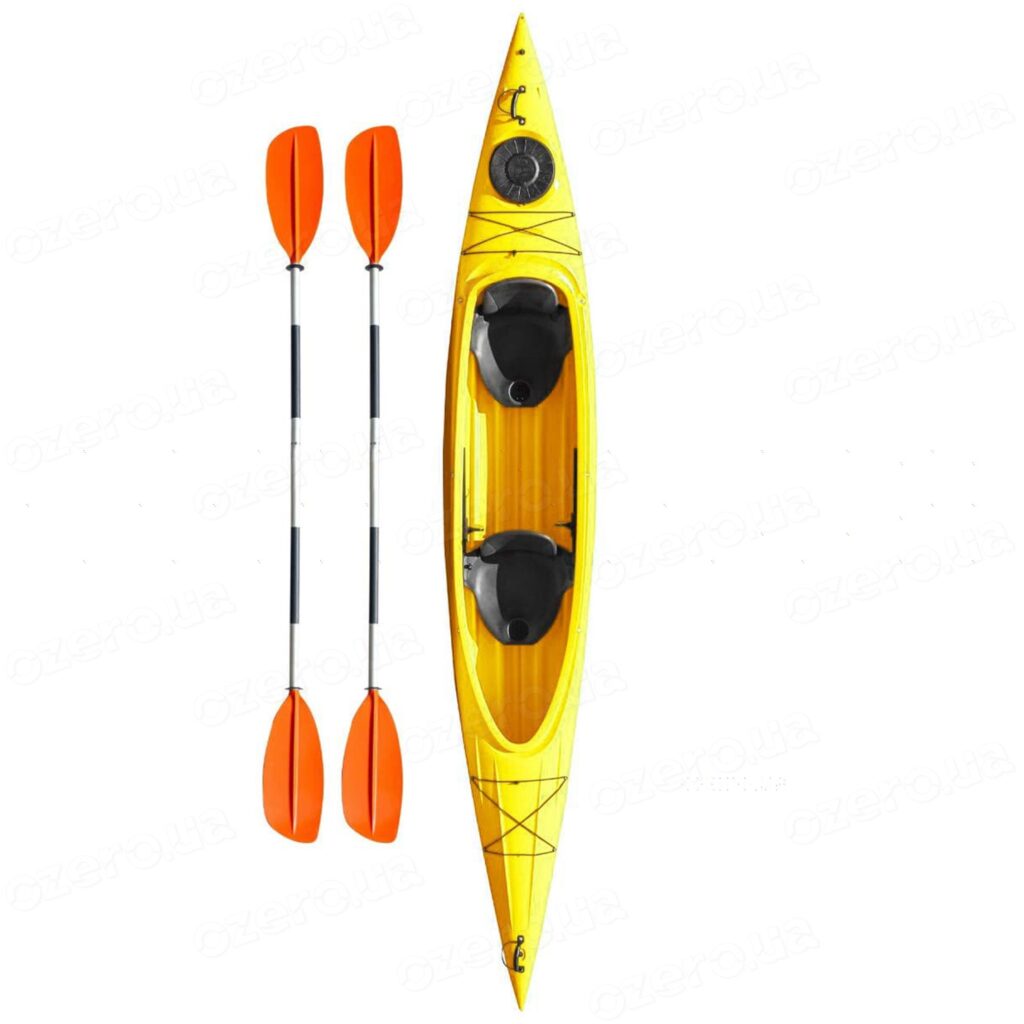
Touring kayaks are designed for serious paddlers who want to cover long distances on open water. Their longer and slimmer structure grants touring kayaks with greater speed and efficiency when navigating through water, in contrast to recreational kayaks. This sleek design allows paddlers to cover more ground with each stroke, making touring kayaks a popular choice for multi-day trips or expeditions.
Touring kayaks also have a more pointed bow and stern, which makes them more aerodynamic and helps them cut through the water more easily. This allows paddlers to maintain a higher speed with less effort, which can be especially helpful on longer trips.
In addition to their speed and efficiency, touring kayaks also offer plenty of storage space. They often have multiple hatches and compartments where paddlers can store gear, food, and other supplies for longer trips. This allows paddlers to bring everything they need for a multi-day trip without weighing down the kayak or sacrificing speed and maneuverability.
Despite their longer, narrower design, touring kayaks are still stable enough for use on calm water. They are also designed to handle rough water and strong winds, which makes them a great choice for exploring the open ocean or other large bodies of water.
While touring kayaks are generally more expensive than recreational kayaks, they are well worth the investment for serious paddlers who want to explore new waterways and challenge themselves with longer trips. Due to their capacity for high speeds, efficiency, and generous storage capacity, touring kayaks are an ideal selection for individuals seeking to elevate their kayaking experiences.
Whitewater Kayaks: Whitewater kayaks are designed for use on fast-moving rivers and rapids. They are typically shorter and more maneuverable than other types of kayaks, which makes them ideal for navigating through rapids and other obstacles.
Whitewater kayaking is a thrilling and challenging sport that requires skill, agility, and quick reflexes. Whitewater kayaks are specially designed to handle the fast-moving water and obstacles found in rivers and rapids. In contrast to alternative kayaks, whitewater kayaks generally possess a broader width and shorter length, allowing for greater control and maneuverability when navigating through swiftly moving waters.
One of the key features of whitewater kayaks is their rocker. The rocker refers to the curvature of the kayak from bow to stern, and it helps the kayak maneuver through rapids and other obstacles. Whitewater kayaks have a more pronounced rocker than other types of kayaks, which allows them to pivot and turn quickly in fast-moving water.
Whitewater kayaks also have a higher volume than other types of kayaks. This means they can handle more water and stay afloat in fast-moving rapids. The higher volume also provides more stability, which is important when navigating through rough water.
Another key feature of whitewater kayaks is their outfitting. Whitewater kayaks have specialized seats, footrests, and thigh braces that are designed to keep the paddler securely in place while navigating through rapids. This outfitting also allows the paddler to use their body to control the kayak and make quick, precise movements.
Whitewater kayaking can be dangerous, so it’s important to use the right gear and get proper training before attempting to navigate through rapids. However, for those who are up for the challenge, whitewater kayaking can be an exhilarating and rewarding experience that provides a unique perspective on some of the world’s most beautiful and untamed rivers.